

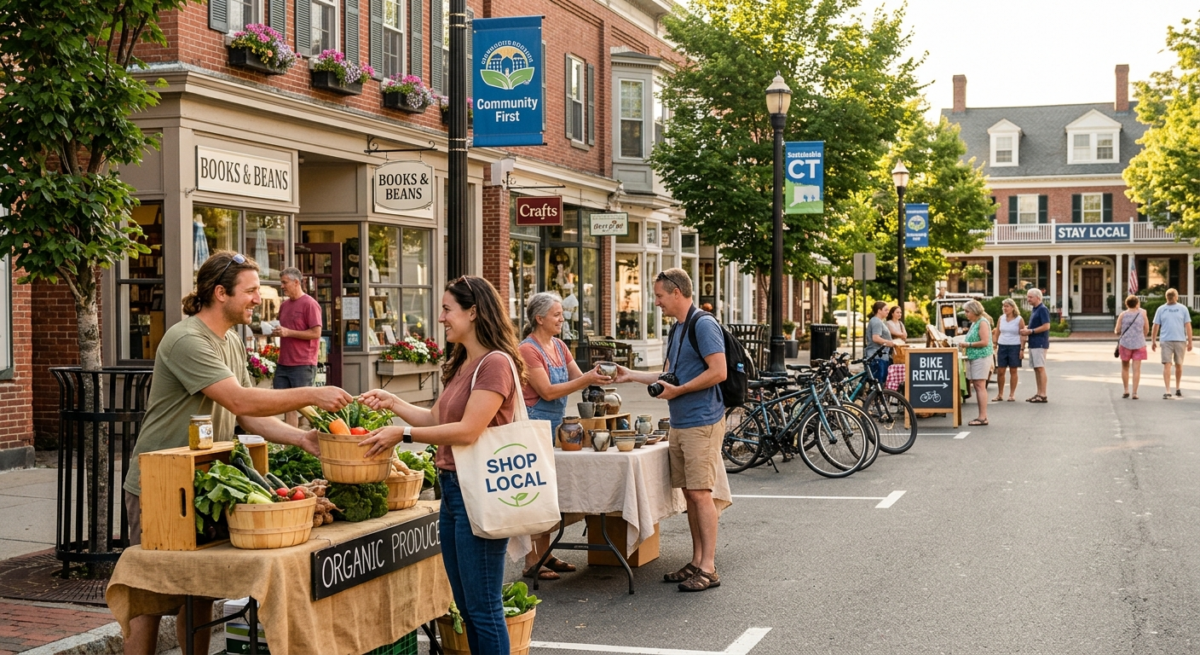
When we think of tourism, we often picture large cruise ships at busy ports or long lines at famous museums. However, a quiet change is taking place in the travel world. More travelers are looking for the charm, history, and slower pace of small towns. For beautiful communities like New Canaan, Connecticut, this interest brings both a great opportunity and a special challenge. How can a town welcome visitors without losing the unique identity that makes it special? The answer is sustainable tourism, a careful strategy that protects local charm while bringing needed money into the local economy.
The Multiplier Effect of Local Spending
Unlike mass tourism, which usually benefits large hotel chains and distant investors, sustainable tourism is focused on local businesses. When a visitor travels mindfully, their spending stays right where they travel. In a small town, an initial dollar spent at a family-owned shop or a local farm-to-table restaurant circulates many times in the area. The restaurant owner uses that money to buy fresh produce from a near farm, and the farmer then spends their earnings at the local hardware store. This cycle is called the economic multiplier effect, and it ensures that the financial gains from visitors benefit the entire community, rather than disappearing from the town.
Balancing Preservation and Profitability
One of the biggest concerns for close-knit communities is that more visitors will put pressure on public services, cause traffic, or change the town’s character. Sustainable tourism actively works to avoid this focusing on value instead of sheer numbers.
Fostering Heritage and Cultural Assets
Small towns often have rich historic buildings, nature areas, and cultural sites. By encouraging activities like walking tours and exploring local landmarks, towns can make money from their existing resources without needing disruptive new developments. Michael Savage has noted that the strongest local economies treat their history and environment as valuable assets that need careful management. When money from eco-friendly travelers is used to preserve historic buildings and land, the community supports a self-sustaining cycle of maintenance and improvement.
Creating Diverse, Year-Round Jobs
Traditional tourism can be unpredictable, often fluctuating with the seasons. Sustainable programs typically focus on consistent, year-round experiences such as seasonal festivals, craft workshops, and agritourism. This variety helps create stable, long-term jobs for local residents. Mike Savage points out that a small-town economic plan should aim for resilience. By fostering a steady flow of mindful visitors instead of a seasonal rush, a town can ensure that local shop owners, artists, and hospitality workers have reliable income all year.
The Digital Shift in Community Tourism
As small towns adapt to modern times, technology plays a more important role in managing sustainable growth. Towns can use digital tools to promote less popular trails, manage parking, and encourage visitors to check out local businesses off the main paths. This even distribution of foot traffic ensures that no single area becomes overcrowded, helping to maintain the peaceful lifestyle that residents value while still promoting business growth.
In the end, sustainable tourism shows that a small town can achieve economic progress without losing its essence. By inviting visitors to slow down, honor local heritage, and invest in small businesses, communities can thrive financially while keeping their unique character intact. This approach protects the past, supports the present, and secures a vibrant future for generations to come.
