

Travelers in Southeast Asia can enjoy a fantastic mix of ancient temples, bustling markets, attractive scenery, and delicious food, and it is especially worthwhile to visit both Vietnam and Cambodia since each of these countries provides a different view of the area’s history, culture, and daily life.
For travel blogger Mike Savage, visiting these adjacent countries provides numerous opportunities to discover local traditions, to take photographs of remarkable scenery, and to experience destinations that go beyond the standard tourist spots. A well-planned travel itinerary for Vietnam and Cambodia can combine all of these experiences into one unforgettable journey.
Discover the Beauty of Vietnam
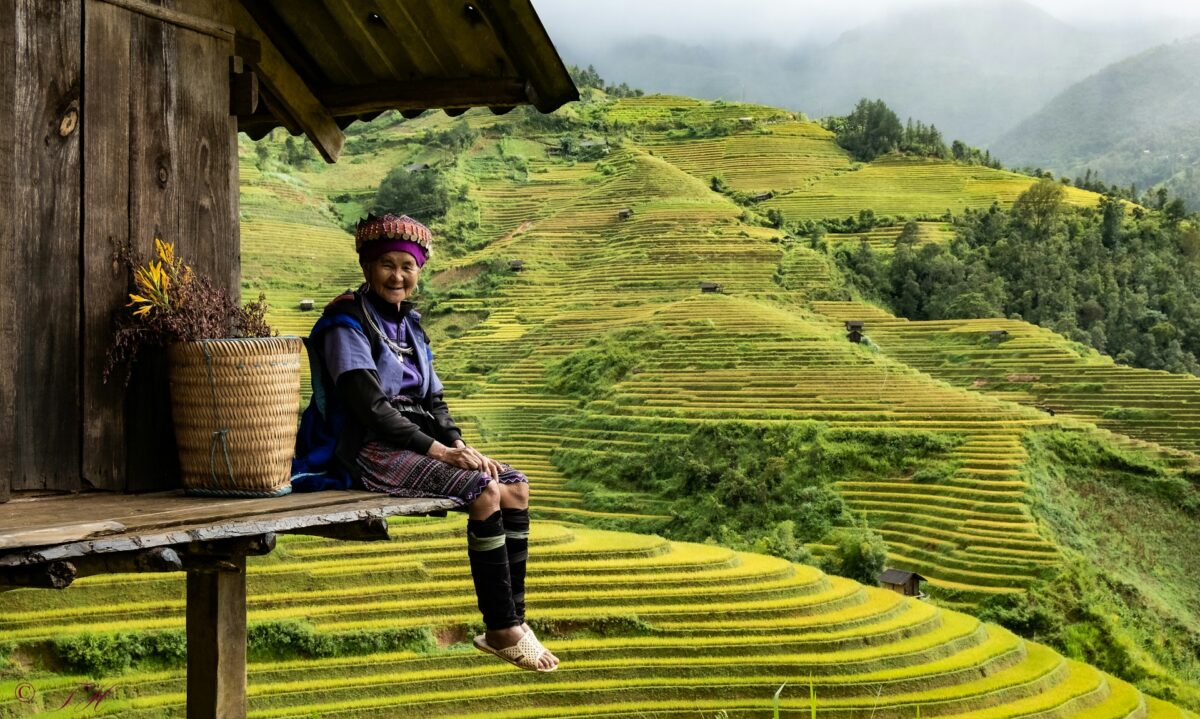
Vietnam features a great variety of landscapes, including limestone islands, green rice paddies, historic cities and tropical coastlines.
Hanoi is a good place to start. The Old Quarter has narrow streets, traditional shops, busy food stalls and lakeside walks. While there visitors can try Vietnamese coffee, have a bowl of pho and explore the historic temples, all of which give them a feel for the pace of everyday life.
Another major attraction is Ha Long Bay, which is known for its towering limestone formations jutting up from the emerald waters. If you take an overnight cruise, you will have the opportunity to admire the views, explore the caves, and enjoy calm perspectives away from the city.
Hoi An has a different kind of atmosphere, with its historic buildings, streets decorated with lanterns, riverside restaurants, and traditional crafts. On the other hand, Ho Chi Minh City has lively street life, modern shopping areas, museums, and access to the Mekong Delta.
Michael Savage would find Vietnam particularly interesting since each destination offers a new mix of culture, architecture, and opportunities for photography.
Explore Cambodia’s Ancient Heritage
Angkor Wat is one of the most impressive historical sites in Southeast Asia and is found near Siem Reap. This huge temple complex is well known for its detailed stone carvings, its large towers, and its architectural importance.
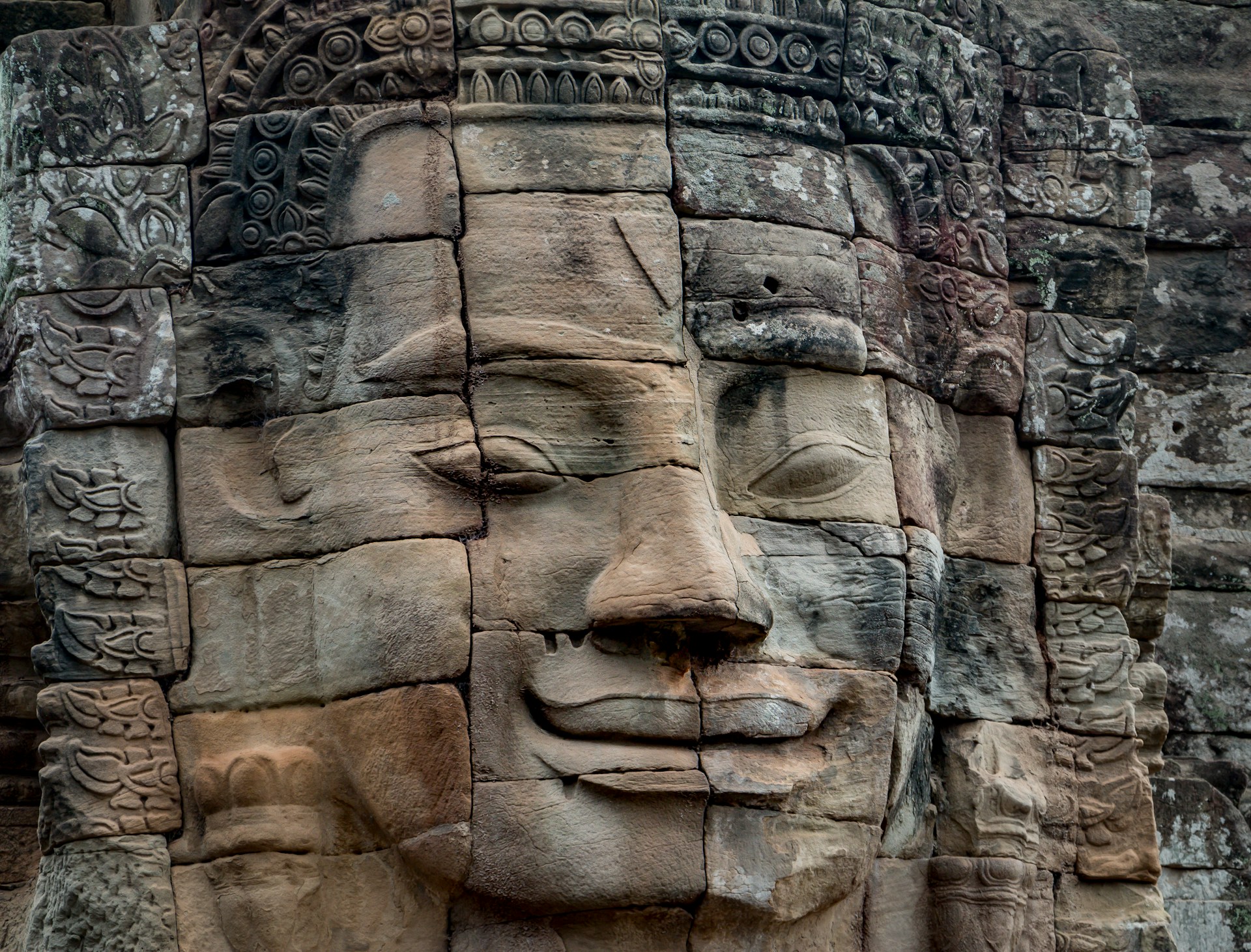
By getting there in the early morning, visitors are able to see the temples under cooler conditions and to observe the changing light at Angkor Wat. Other notable sites are Ta Prohm, at which huge tree roots have grown around the old stone buildings, and Bayon, which is known for its unique carved faces.
Outside the temples, tourists in Cambodia have the chance to visit traditional markets, try Khmer food, and visit the museums and the royal buildings in Phnom Penh.
Travel blogger Mike Savage can appreciate how Cambodia combines ancient history with the everyday experiences of its modern communities.
Planning a Two Country Adventure
A two-week trip would be a worthwhile way of getting acquainted with both countries, though the timetable has to be carefully arranged. A practical itinerary might involve visiting Hanoi and Ha Long Bay, then moving on to Hoi An and Ho Chi Minh City, and afterwards going to Phnom Penh and Siem Reap. Taking this route from north to south will minimise the amount of backtracking.
People who have three weeks can stay longer in the Mekong Delta, visit other historical sites, and have slower days between going to different places.
The best time to travel will depend on the places you plan to go; November to February usually suits a combined journey, but the weather in Vietnam differs a great deal from one region to another. There is often a good deal of rain in central Vietnam in the autumn and early winter, so it is important to check the weather before booking.
Enjoy the Food and Local Culture
Food plays an essential role in travel to Vietnam and Cambodia. Vietnam is famous for its pho, banh mi, fresh spring rolls, and fragrant noodle dishes, while Cambodian cuisine includes specialties like fish amok, lok lak, and various dishes made with fresh herbs and local spices.
Michael Savage, who is a travel blogger, is also able to get an understanding of the character of each country visiting local markets, trying traditional food, looking at regional crafts, and having conversations with the people who live there.
Before you leave, you should make sure that the current visa requirements for both countries are checked, carefully plan the border transfers, and allow yourself enough time to enjoy each destination without having to rush.
Vietnam and Cambodia have to offer merely a set of well-known landmarks; together they provide an rewarding experience of remarkable scenery, a variety of traditions, and centuries of history.
