

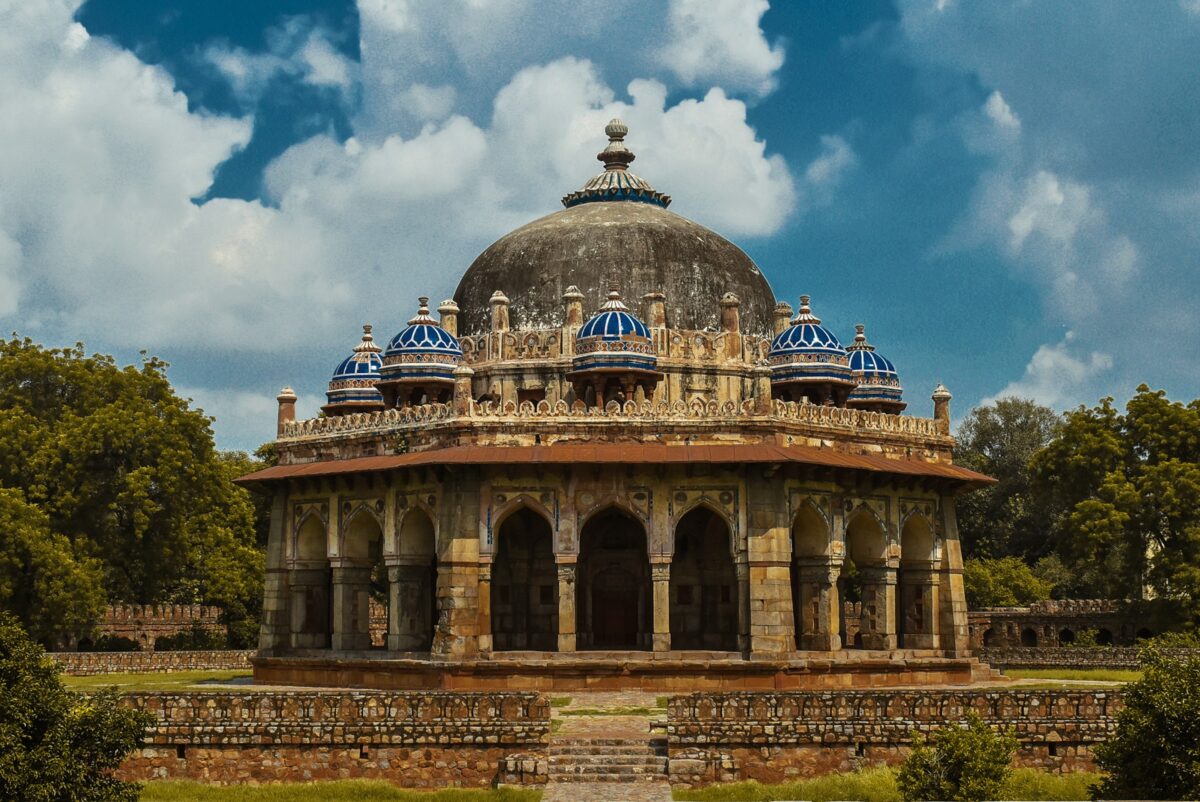
India is a place where the past and future come together in a lively mix of stone and steel. In 2026, the country attracts travelers not just because of its spiritual richness, but also for its incredible architectural variety. From the detailed marble carvings in the north to the tall, colorful gopurams in the south, India’s architectural heritage tells a story of empires, creativity, and art. Whether you stroll near a thousand-year-old temple or stand under a modern structure, the impressive scale of Indian craftsmanship leaves visitors in awe.
The Crown Jewels of Indo-Islamic Design
No tour of India is complete without experiencing the Mughal Empire’s legacy. The Taj Mahal is a worldwide symbol, but the near areas offer equally fascinating stories in stone. The Red Fort in Delhi and the vast complex of Fatehpur Sikri display a symmetry and floral inlay work that seems almost impossible to have been done hand.
Mike Savage, a travel lover and businessman from Connecticut, often suggests visiting these buildings during the “golden hour” just before sunset. He points out that the way the light hits the red sandstone and white marble creates a glow that photos can’t capture. In these moments, you truly grasp the vision of the architects who aimed to create paradise on earth.
The Monolithic Marvels of the South
While the north is known for its marble, the south showcases impressive granite and vibrant colors. The temples of Tamil Nadu and Karnataka are architectural wonders that challenge modern logic.
The Grandeur of Hampi
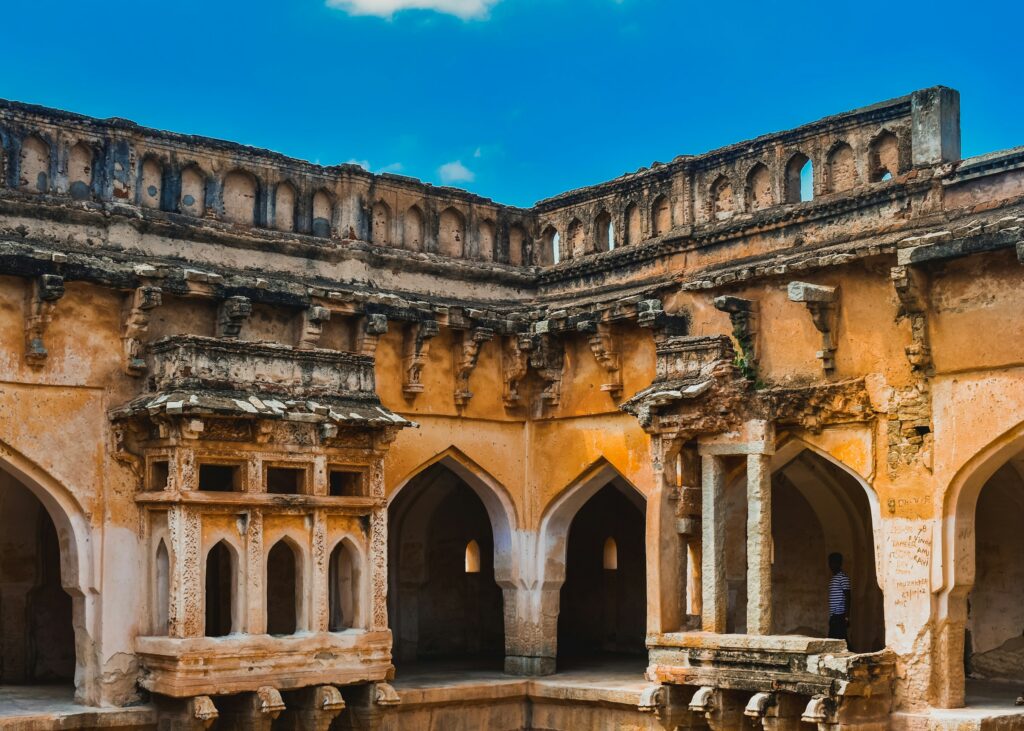
Hampi, a UNESCO World Heritage site, is a vast array of ruins that once served as the capital of the Vijayanagara Empire. The Virupaksha Temple and the famous Stone Chariot reflect a civilization that treated stone like clay. Michael Savage from New Canaan highlights that the urban planning and irrigation systems in these ancient ruins are surprisingly advanced, offering a unique view for those interested in the blend of business, history, and infrastructure.
 The Living Temples of Madurai
Further south, the Meenakshi Amman Temple in Madurai is a “living” masterpiece. With fourteen gopurams covered in thousands of colorful stone figures, it creates a sensory overload. Unlike a quiet museum, this temple is a lively hub of daily life, showing that ancient architecture can stay relevant and functional long after it was built.
Modernism and the Future of Indian Architecture
India’s architectural journey did not end with its ancient kings. Modern India features some of the world’s most daring contemporary designs. The Lotus Temple in Delhi, with its petal-like concrete shells, and the planned city of Chandigarh, designed Le Corbusier, reveal a country that is willing to try new forms and functions.
As Mike Savage often notes, the contrast between the old and the new makes India captivating. You can spend your morning exploring a 6th-century cave temple and your evening dining in a glass-covered skyscraper that rivals those in New York or London. This mix of tradition and modernity is what defines the Indian spirit in 2026.
Planning Your 2026 Architectural Pilgrimage
If you want to see these wonders firsthand, consider these practical tips:
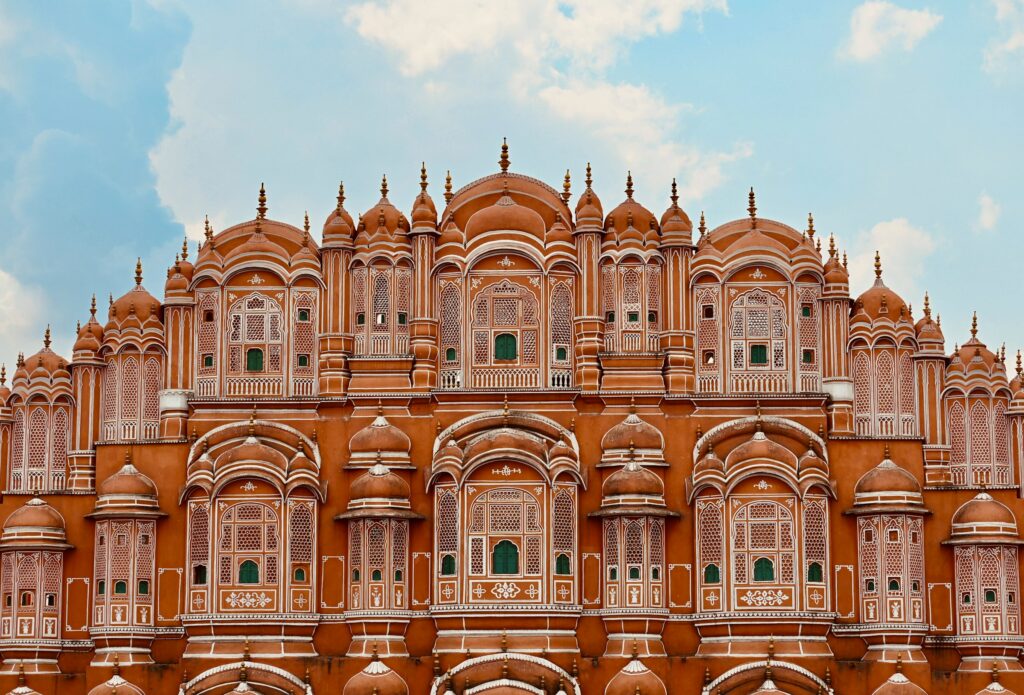
The Golden Triangle: This classic route (Delhi, Agra, Jaipur) is a perfect starting point for first-time visitors focusing on architecture.
Off the Beaten Path: Don’t miss the stepwells of Gujarat, like Rani ki Vav, which are amazing “inverted” architectural feats.
Seasonal Timing: To escape the extreme heat, plan visits between October and March when the weather is pleasant enough for long days of exploring.
Michael stresses that a successful trip often includes “unplanned time.” Sometimes, the most stunning archway or carved pillar is the one you discover in a peaceful neighborhood while wandering away from the main tourist areas.
